
The pet obesity epidemic is, unfortunately, not something that pertains to only cats and dogs. Exotic pets, such as corn snakes, can become a little too ‘fluffy’, so to speak, too. Like in cats and dogs (and humans!), an exotic pet carrying a bit of extra weight over an extended period of time can eventually lead to more serious health complications.
The problem is that, while it may be somewhat easy for people to tell when they’ve given Fido too many dog biscuits, it can be harder for people to tell when a snake is overweight. So what are the signs that your corn snake is overweight? And what steps can you take to help them maintain a healthier weight?
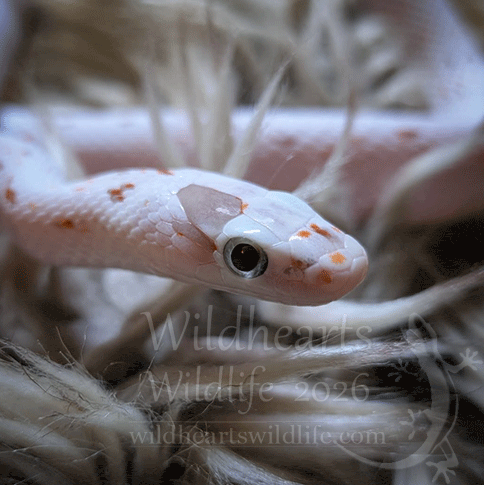
How to Tell if Your Corn Snake is Overweight
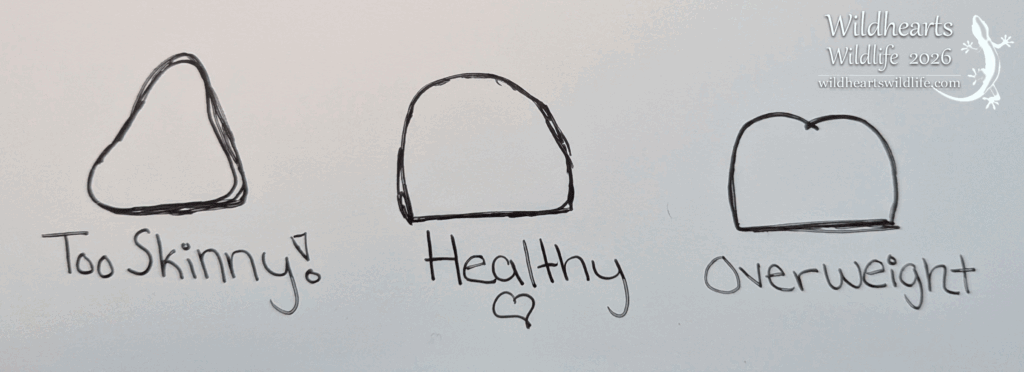
This may be a bit silly, but I’ve heard people compare what a healthy corn snake should look like to a loaf of bread. If you think about looking at a cross-section of your snake, like a slice of bread, they should be flat at the bottom, relatively flat along the sides, and slightly rounded at the top.
An overweight snake will look quite a bit rounder. Their sides may bulge out instead of looking flat. A tell tale sign of an overweight corn snake is a dip along their spine. This is caused by deposits of fat sitting along the sides of the spine.
I tried to draw a representation of what the cross-section of a skinny, healthy, and overweight corn snake would look like. Please excuse my horrible drawing. Hopefully it’s at least good enough to get the idea across. No AI images here!
If you look at your snake when they’re laying flat (not curled up) their scales should fit together perfectly with no excess skin showing in between the scales. An overweight snake can have an almost ‘stretched out’ look, where the scales will appear to be further apart with skin showing between them. Also, keep an eye on the area around your corn snake’s tail (down near their vent). Overweight snakes often have a distinct bulge of fat around the base of their tails.
*If anyone has photos of an overweight corn snake they wouldn’t mind me sharing here, please contact me! Your photo could help other corn snake owners keep their pets healthy!
How to Help Your Overweight Corn Snake
Actually realizing that your snake is overweight is half the battle!
Luckily, putting your snake on a ‘diet’ isn’t usually a huge deal. You can basically do one of two things, or a combination of both.
Either decrease the size of the food you are feeding your corn snake, and/or decrease your feeding frequency. So, if you are feeding your snake a large mouse, downgrade to feeding a medium one instead. If you’ve been feeding your corn snake once a week, consider switching to once every 10 days, or even once every other week instead.
Like with people, exercise can help your snake lose weight. But it’s not always easy to convince a reptile to exercise more. If your snake is friendly and used to being held, consider allowing them to spend more time exploring outside of their cage. It’s also an awesome idea to add new items for them to climb on and explore inside their cage.
Steps Towards a Healthier Snake
Don’t expect overnight results. Remember that it takes longer to lose weight than it does to gain it, and rapid weight loss isn’t usually healthy anyway. Slow and steady for the win! Putting your snake on a moderate diet plan will allow them to lose weight while also remaining healthy and not feeling overly hungry (although they may try to convince you otherwise).
Stay the course and remember that helping your exotic pet maintain a healthy weight is going to go a long way towards ensuring they can enjoy a long, healthy life!
———————
Unfortunately, Wild Hearts Wild Life has been dealing with content scrappers stealing our content and posting it to other websites without permission. If you’re seeing this article posted anywhere besides wildheartswildlife.com it means you are seeing it on a content scalper’s site. Please consider contacting us to let us know, and stopping by to visit on our actual site! Thank you!