
I got my first axolotl, Bubbles, back in 2020. I had actually wanted an axolotl for many years before that, but I lived in a state where axolotls are illegal to keep. In late 2019 I moved states, from one where axolotls are illegal to one where they are legal, and the rest, as ‘they’ say, is history.
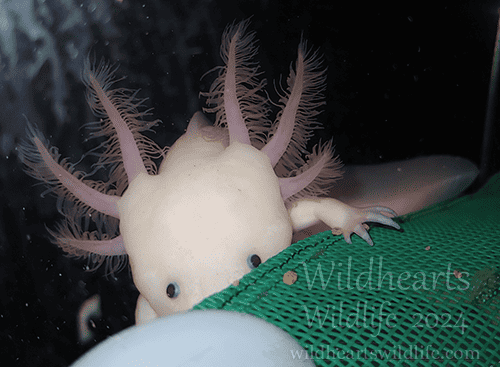
If you’re new to axolotls, and thinking of getting one as a pet, it’s important to double check that axolotls are actually legal to own where you live. So, in what US states are axolotl illegal? And why?
US States Where Keeping Axolotls is Illegal
These are the US states where, at the time of writing this (10/7/2025) axolotls are illegal to keep…
- California
- Maine
- New Jersey
- Washing D.C.
In addition, a permit is required to keep axolotls in the following US States…
- New Mexico
- Hawaii
Why are Axolotls Illegal in Some States?
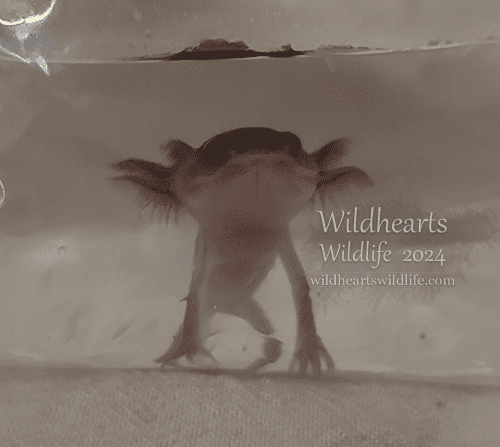
Well, because, as is the case in many situations, people can suck sometimes. And it only takes a handful of sucky people to ruin things for the rest of us.
Since axolotls are not native to the US, there’s some concern that released pets could damage native ecosystems. Axolotls will basically eat anything they can fit inside their mouths, so I’d imagine even just a few released axolotl in a native US river or stream could do some damage to local wildlife populations.
There’s also a lot of concern over the fact that captive axolotls have been crossbred with tiger salamanders (Ambystoma tigrinum). This is thought to be one potential reason why pet axolotls tend to morph into land-dwelling salamanders more often than we’d likely see if they still maintained pure axolotl DNA.
There is a potential, although small, that released axolotls could interbreed with native Ambystoma species, such as the critically endangered California tiger salamander (Ambystoma californiense). And if that wasn’t big enough of a potential issue, released axolotls may also be able to outcompete native salamander species, causing severe damage not only to native salamander populations, but to the environment at large.
So, take this as your friendly reminder to never release captive pets into the wild! They can wreak havoc by, well, eating everything, destroying natural habitats, and can potentially introduce deadly diseases into wild animal populations.
Can You “Secretly” Keep Axolotls in Illegal States?

When I was looking for new homes for my one (and only) clutch of axolotl babies, I had a few people contact me to ask if I would be willing to ship axolotls into states where they are banned. My answer was always a resounding ‘no’!
First of all, if you get caught shipping animals into states where they are illegal, you can face some serious penalties, usually in the form of fines. Perhaps worse than that, even, is the fact that if you get caught shipping or possessing illegal animals, the state is typically within their rights to confiscate you pet and in a lot of cases, these animals will end up euthanized.
Another thing to consider is that owning an illegal pet means that it’s going to be harder for you to find services for that pet, such as vets who are familiar with working with that species, without traveling long distances.
Check For Law Updates Often
If you live in a state where axolotls are currently banned, don’t lose hope. You could always move (hey, I did! Although I have to admit it wasn’t just to get an axolotl). State laws are also changed and updated every so often, so there is some possibility that states that currently ban axolotls could change and allow them in the future.
Worst case, there are lots of amazing species out there that you could legally keep in your current location. Maybe living in a certain state will mean keeping axolotls is not for you, but that shouldn’t mean you can’t find some other awesome animal species to get passionate about.
Set a Good Example
I think it’s important to say again – laws like the ones banning axolotls in certain states are made largely due to the fear of irresponsible pet owners. If you own, or are thinking about owning, an exotic pet, it’s important to always strive to set a good example. Never release any of your pets into the wild. Rehome animals responsibly. Make sure you keep your critters in appropriate, stimulating, and also escape-proof enclosures. As exotic animal lovers, we should also care about and show respect for the environment around us. As much as we love our slimy, scaley, what have you, pets, the fact of the matter is that they do pose a potential threat to native habitats. It’s up to us to take responsibility and make sure that doesn’t happen.
———————
Unfortunately, Wild Hearts Wild Life has been dealing with content scrappers stealing our content and posting it to other websites without permission. If you’re seeing this article posted anywhere besides wildheartswildlife.com it means you are seeing it on a content scalper’s site. Please consider contacting us to let us know, and stopping by to visit on our actual site! Thank you!